About

A good eye. And the nerve to say no.

The Acquisitions Department is an independent art advisory founded by Dr. Alexandra (Sasha) Suda, who led the National Gallery of Canada and the Philadelphia Museum of Art, and Bryan Frank, an operator trained in art history and business.

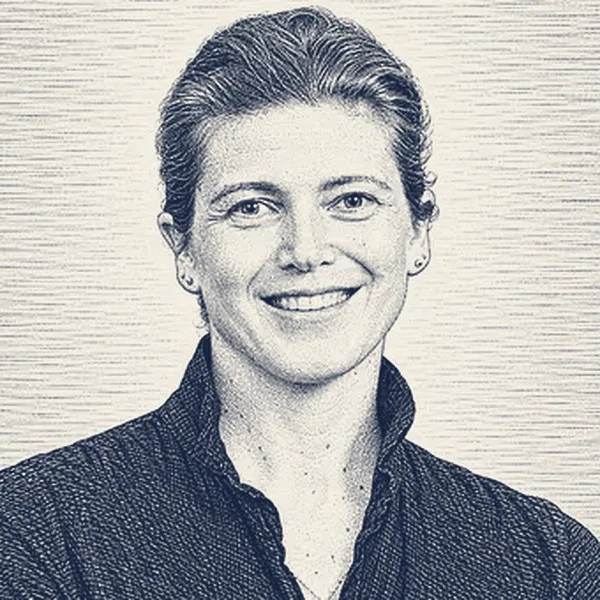
Engraved portrait of Dr. Alexandra (Sasha) Suda, Founder of The Acquisitions Department

Dr. Alexandra (Sasha) Suda

Founder

A museum director, curator, and art historian. Sasha began her career in the medieval department at The Metropolitan Museum of Art, became a curator at the Art Gallery of Ontario, and went on to lead the National Gallery of Canada and the Philadelphia Museum of Art.

She’s a graduate of Princeton, holds an MA in art history from Williams College, and a PhD from the Institute of Fine Arts at New York University.

Engraved portrait of Bryan Frank, Co-Founder of The Acquisitions Department

Bryan Frank

Co-Founder

An operator trained in art history and business. Bryan holds an MA in art history from Williams College and an MBA from Chicago Booth, and founded and sold Posto, an estate management company.

Principles

  1. Principle 01

    We never hold your money or your art. Only your confidence.

  2. Principle 02

    You’ll know our fee before our advice. (Our opinions sometimes arrive sooner.)

  3. Principle 03

    We love our friends who are auctioneers, dealers, and gallerists. But our fees come from our clients alone.

  4. Principle 04

    We tell you when not to buy, and when not to sell.

How the Department is different

The Acquisitions Department is independent: our fees come from our clients alone, we never hold your money or your art, and our founder has led two of North America’s great museums.

  • Paid only by clients. We love our friends who are auctioneers, dealers, and gallerists. But our fees come from our clients alone.
  • No custody. We never hold your money or your art. Only your confidence.
  • Museum leadership. Founded by Dr. Alexandra (Sasha) Suda, who led the National Gallery of Canada and the Philadelphia Museum of Art.
  • Collectors and artists. A Collection Office for collectors, families, and estates, and Artist Management for artists, estates, and foundations.
  • Fee first, honest advice. You’ll know our fee before our advice. We tell you when not to buy, and when not to sell.
How the Department compares with a dealer or gallery and an auction house
QuestionThe Acquisitions DepartmentDealer or galleryAuction house
Who pays themYou, a fee agreed in writingThe sale of the workBuyer’s premium and seller’s commission
Holds your money or artNeverOften, during a saleYes, during a sale
Will advise you not to buyYesRarely their roleRarely their role

How engagements work

  1. Step 1

    Introduction

    By introduction, or in confidence.

  2. Step 2

    Conversation

    An introductory conversation, as casual as you like.

  3. Step 3

    Scope and fee

    A flat project fee or a retained services agreement in writing before any services.

  4. Step 4

    Working together

    Studio visits, conversations with gallerists, and works seen in person. Advice on what to buy, and what to pass on. Above all, a collection with shape, and a real connection to the objects in it.

Questions

What does The Acquisitions Department do?

Advice on acquiring, caring for, and placing art. For collectors, artists, estates, and institutions.

How is The Acquisitions Department different from other art advisors?

The Acquisitions Department is independent: our fees come from our clients alone, we never hold your money or your art, and our founder has led two of North America’s great museums.

Who founded it?

Dr. Alexandra (Sasha) Suda, Founder, and Bryan Frank, Co-Founder. Read the bios.

Do you hold clients’ money or art?

We never hold your money or your art. Only your confidence.

How are you paid?

A flat project fee or a retained services agreement in writing before any services. Our fees come from our clients alone.

Are you a dealer or an auction house?

Not a dealer, an auction house, or a bank.

Will you tell me not to buy something?

We tell you when not to buy, and when not to sell.

How do I start?

By introduction, or in confidence. An introductory conversation, as casual as you like. Inquiries.